Professional Information
Cold fumigation Therapy for Dry Eye: A Guide
2024-10-14
Dry eye
Hot and cold fumigation on the eyelids are a classic physical therapy for dry eye. By harnessing heat conduction, they either warm up or cool down the local area. , we'll take a look at cold fumigation therapy for dry eye.

1、Hemostasis
Cold fumigation cause local capillaries to constrict, thereby achieving hemostasis.
2、Reduction of Inflammatory Response
Cold fumigation reduce local blood flow, lower metabolism, decrease local inflammatory exudation, and alleviate inflammatory reactions.
3、Analgesia
Low temperature reduces the transmission of local nerve impulses, thereby relieving local pain.
4、Cold Receptors
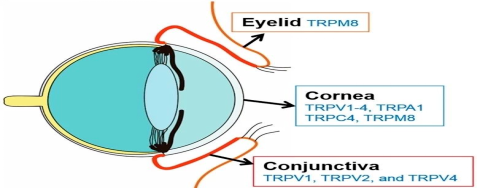
Basal tear secretion can vary with environmental temperature and blink frequency. Animal model studies have shown that the mammalian corneal surface is equipped with innervated cold receptors that are extremely sensitive to minute temperature changes on the ocular surface. This pronounced cold sensitivity can be attributed to the high expression of the transient receptor potential melastatin 8 (TRPM8) channel, a cold receptor protein on the ocular surface. The activity of corneal cold receptors maintains basal tear secretion at normal ocular surface temperatures. When corneal surface temperature rises, stimulation of cold receptors diminishes, and tear secretion decreases. Conversely, during cold fumigation, the activity of corneal cold receptors is enhanced, thereby stimulating tear secretion.
The Chinese Clinical Guidelines for the Diagnosis and Treatment of Dry Eye recommend that ocular cold compresses should use an ice-water mixture, with a temperature between 0–10°C, applied for 5–10 minutes, and may be repeated 3–4 times.
Precautions during cold fumigation application:
• The temperature should not be too low. The freezing temperature of skin is approximately −5°C; excessively low temperatures can easily cause local frostbite.
• Each cold fumigation session should last approximately 10 minutes. During the process, skin changes should be observed. If the skin becomes pale, cyanotic, or numb, this indicates venous blood stasis, and the cold fumigation should be stopped immediately to avoid frostbite.
• The frequency of cold fumigation should be determined based on the severity of the condition.
◆ Dry eye, aqueous-deficient type
◆Acute ocular inflammation, such as allergic conjunctivitis, viral conjunctivitis, bacterial conjunctivitis, episcleritis, orbital cellulitis, and acute dacryocystitis
◆ Eyelid contact dermatitis or drug-induced dermatitis
◆ Within 3 days after eyelid and periorbital surgery — cold compresses; warm compresses may follow afterward
◆ After intraocular surgery
◆ Closed eyelid trauma and subconjunctival hemorrhage within 2 days
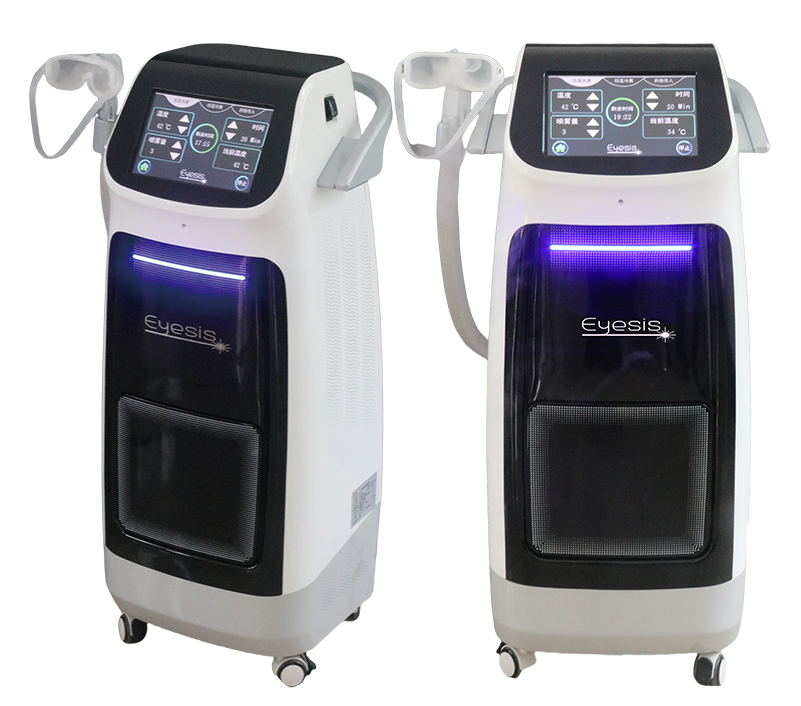
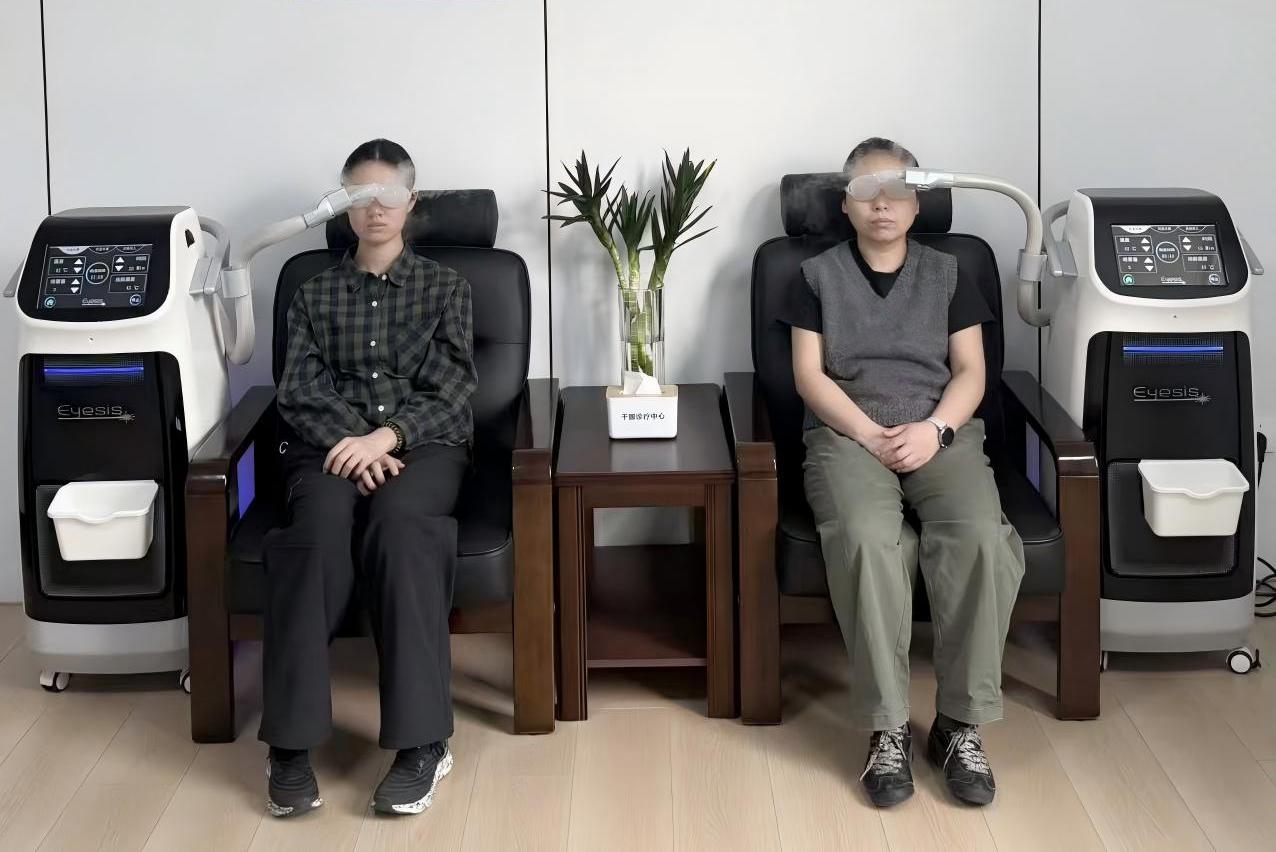
The new-generation EYESIS® constant-temperature hot/cold fumigation dry eye therapeutic device provides patients with a constant hot fumigation temperature of 7–15°C to meet dry eye treatment standards, with a default session duration of 10 minutes, 2–4 times daily, adjustable according to the patient's condition. Since the skin's freezing temperature is −5°C, cold fumigation should not be applied at excessively low temperatures, and local skin changes should be closely monitored and adjusted accordingly.