
PRODUCT INTRODUCTION
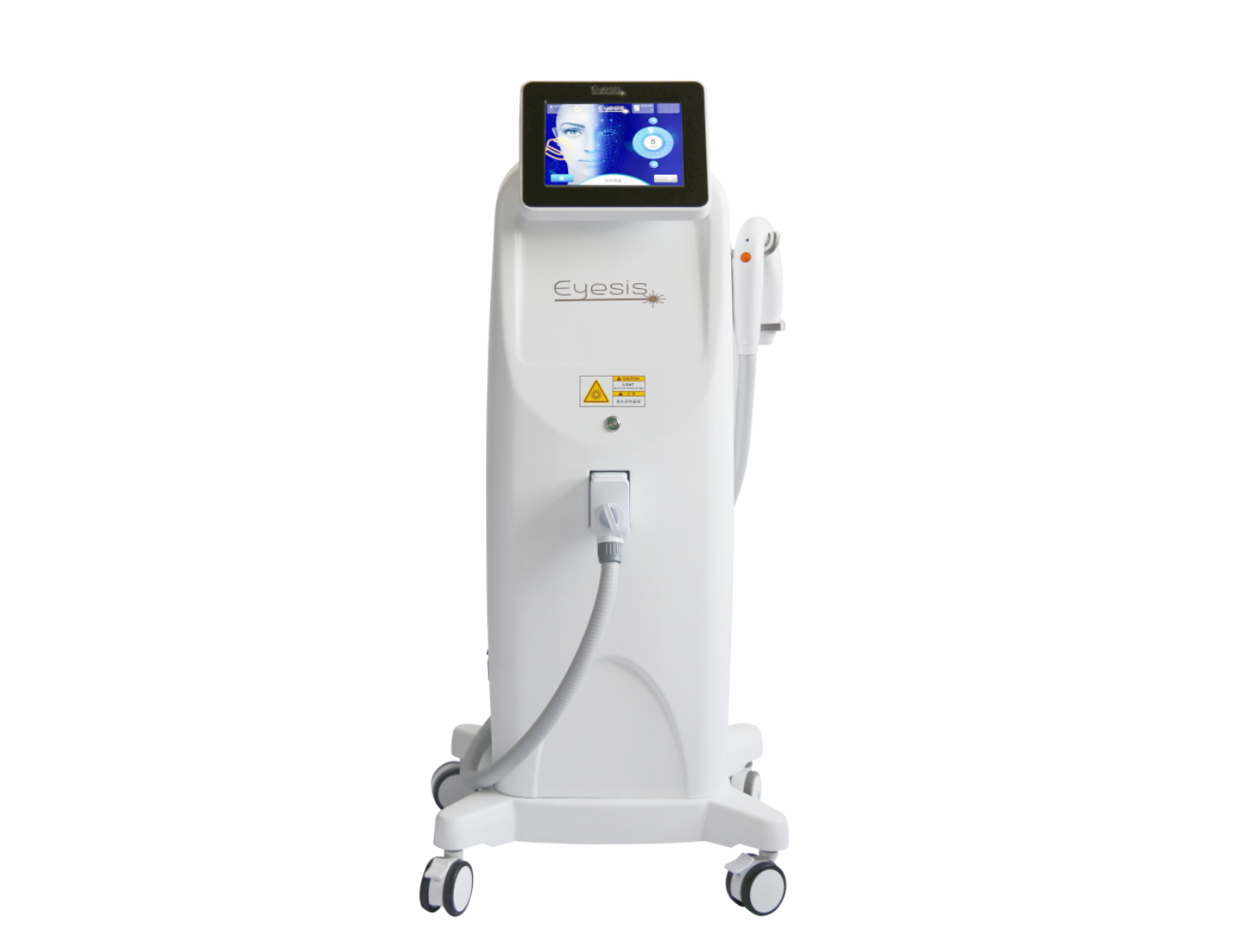
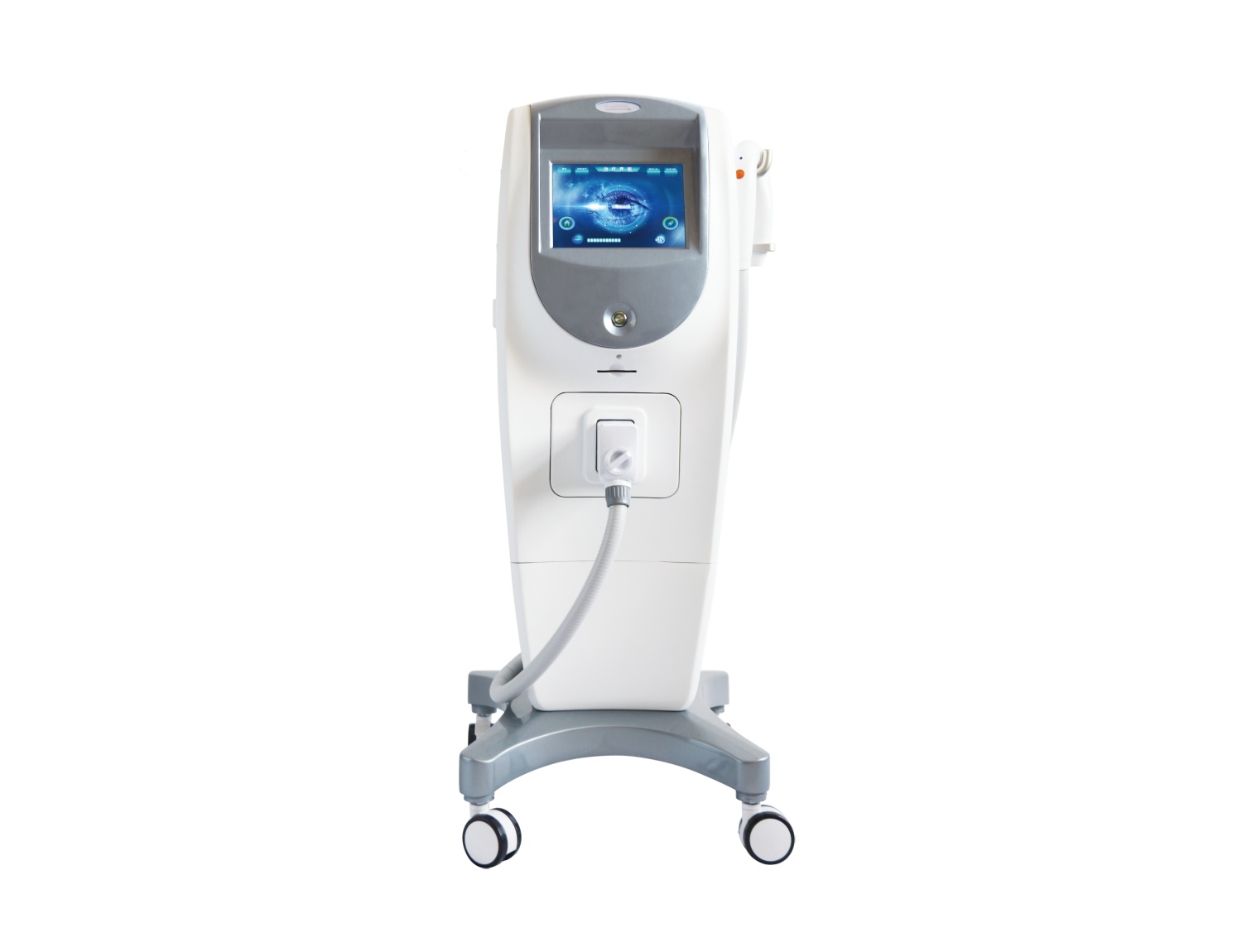
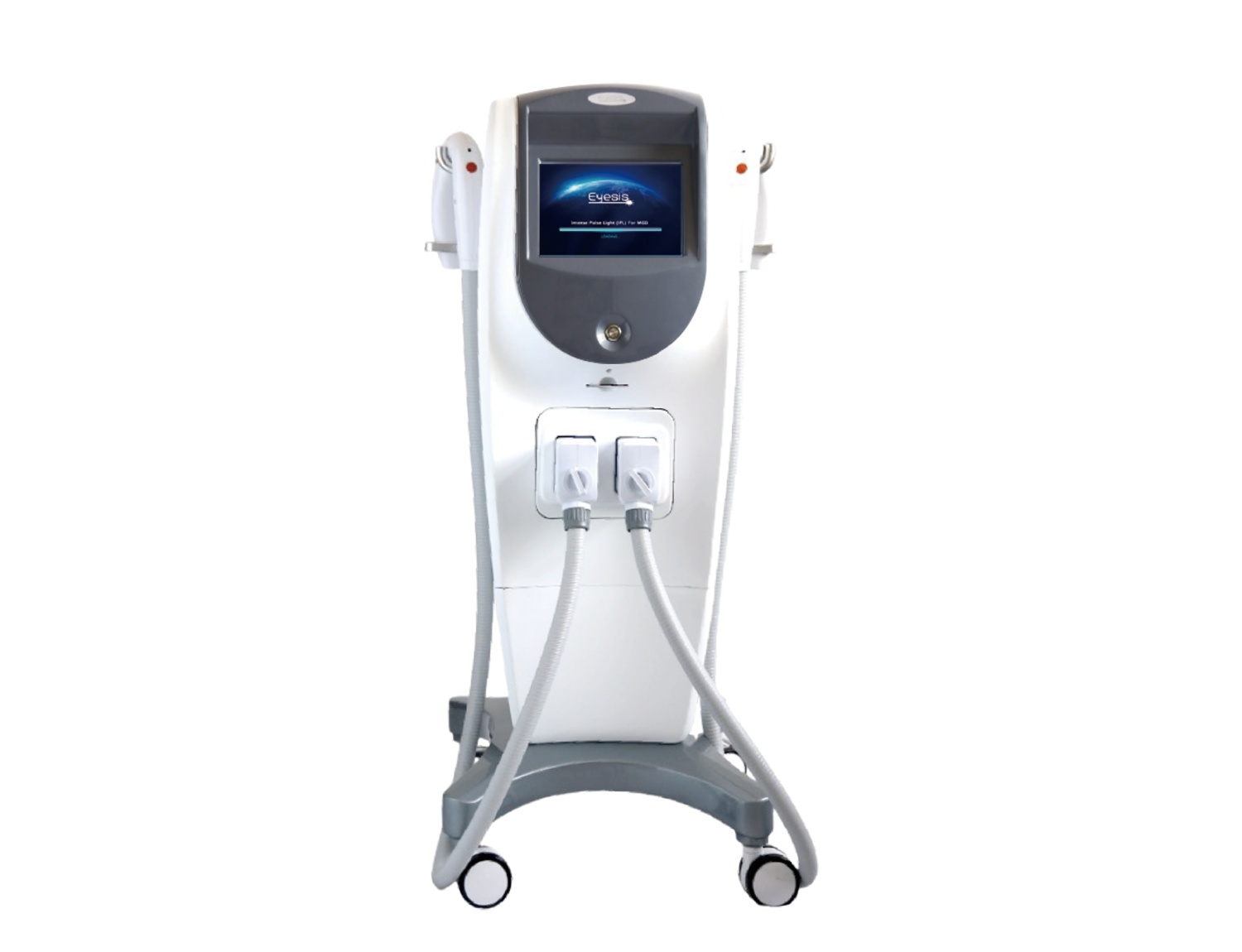

The EYESIS® Ophthalmic Intense Pulsed Light Treatment System by MDC-Healthcare is an IPL device specially developed for the ophthalmic treatment of Meibomian Gland Dysfunction (MGD). Its R&D work commenced in 2015. Building on second‑generation OPT technology and third‑generation IRPL technology, it features the innovative cluster‑energy‑based original 10‑pulse MOPT technology. It delivers an energy density ranging from 5 - 15 J/cm² with 0.5 J/cm² adjustment increments per gear, enabling more precise and effective energy control for ophthalmic applications.
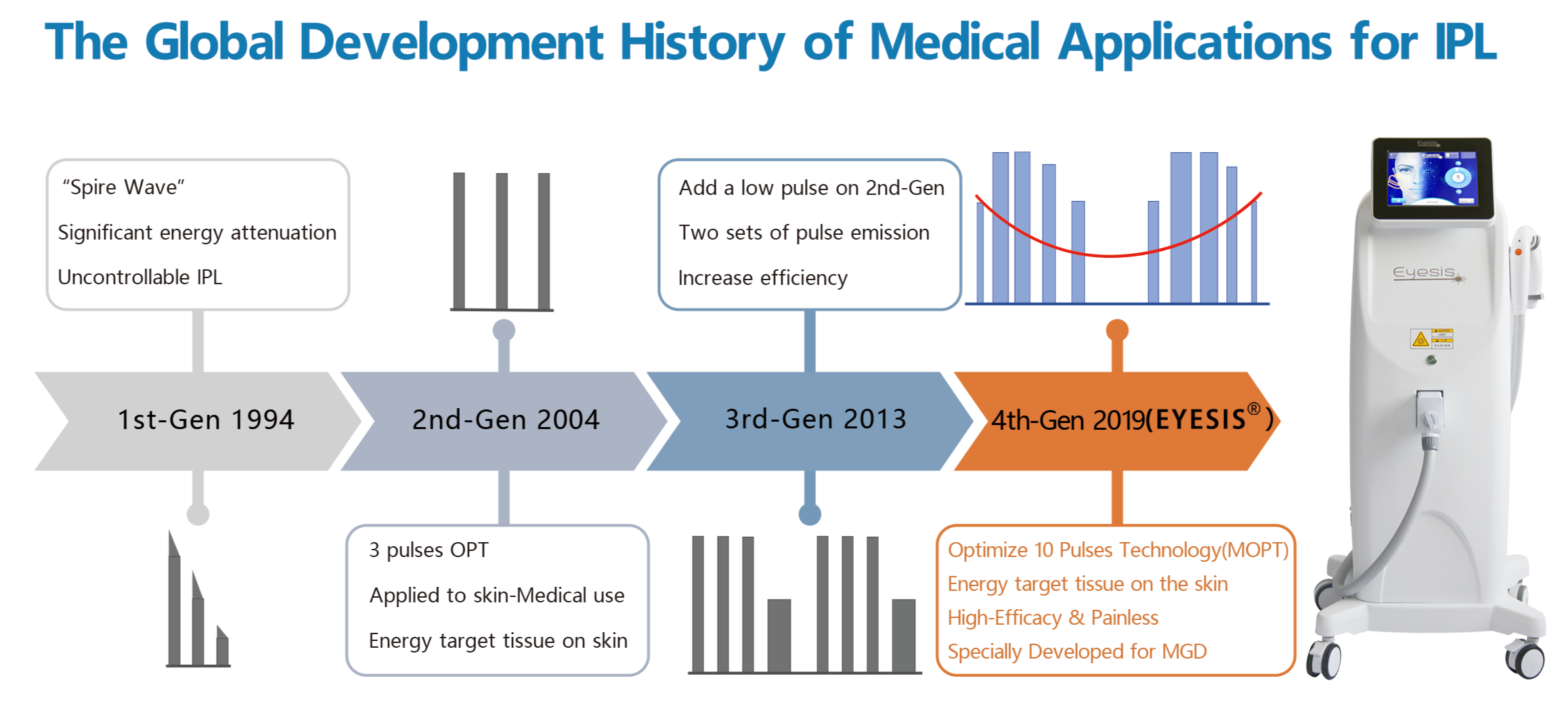
Since EYESIS® obtained its first Class‑II medical device registration certificate from the NMPA in 2019, it has been widely adopted in clinical practice. With over six years of clinical validation, its safety and efficacy have been recognized by a growing number of clinical experts, and dozens of relevant papers have been published to date. Since its market launch, EYESIS® has undergone continuous optimization and iterative upgrades. Building upon the Class‑II product, Class‑III registered device incorporates multiple technical enhancements to deliver greater intelligence and user‑friendliness.
4th Generation Ophthalmic Intense Pulsed Light Treatment System

Product Advantages
Energy density: 5 J/cm²‑15 J/cm² with 0.5 J/cm² adjustment increments per gear, and it also provides pediatric treatment energy ranging from 5 J/cm²‑9 J/cm²
Number of pulses triggered per single probe irradiation: ≥10; Wavelength: 580 nm‑1200 nm; three specifications are available for selection.
One treatment session per week; a full course consists of 4‑6 consecutive sessions, bringing favorable patient compliance.
Treatment is performed by sequentially irradiating the lower eyelid in five sites as recommended by the Clinical Guidelines for the Diagnosis and Treatment of Dry Eye Disease, which has been clinically proven safe and effective.
It is listed as a key promoted new technology on the New‑Technology Promotion Platform of the National Health Commission of the People’s Republic of China
Product Mechanism
Alleviation of Lid Margin Inflammatory Response
EYESIS® Ophthalmic IPL System eliminates abnormally dilated capillaries at the lid margin, facilitates meibum excretion and improves meibomian gland function. It mitigates chronic inflammation induced by inflammatory mediators and enhances tear‑film stability.
Demodex Eradication
Liquefaction of Meibum Secretion
Photobiomodulation Effect
Clinical Research

Research about New-Generation IPL in the Treatment of MGD-Related Dey Eye

Meibomian Gland Dysfunction (MGD) is a highly prevalent cause of dry eye disease. Short‑lasting effects and unsatisfactory therapeutic outcomes of conventional MGD treatments have driven the exploration of novel clinical therapeutic approaches, among which Intense Pulsed Light (IPL) is one. Nevertheless, conventional IPL devices are limited in terms of pulse intensity range and adjustable levels. Consequently, conventional IPL therapy may suffer from inadequate precision and poor targeting, and its therapeutic effect on severe and refractory MGD remains uncertain.
A multicenter, randomized, patient‑masked, parallel‑group, non‑inferiority clinical trial published in Ophthalmology and Therapy (IF: 4.927) compared the efficacy and safety of MDC Healthcare’s EYESIS® for MGD‑associated dry eye disease with the E‑EYE device manufactured by France‑based E‑SWIN. The results demonstrated that as a new‑generation IPL device, EYESIS® is effective and safe in relieving both symptoms and signs of MGD‑related dry eye disease, with an efficacy rate no inferior to that of conventional IPL devices. Furthermore, EYESIS® exhibited additional clinical benefits over E‑EYE in symptom alleviation, improvement of tear‑film stability and restoration of meibomian gland function.

New Option for Pediatric Chalazion Physical Therapy
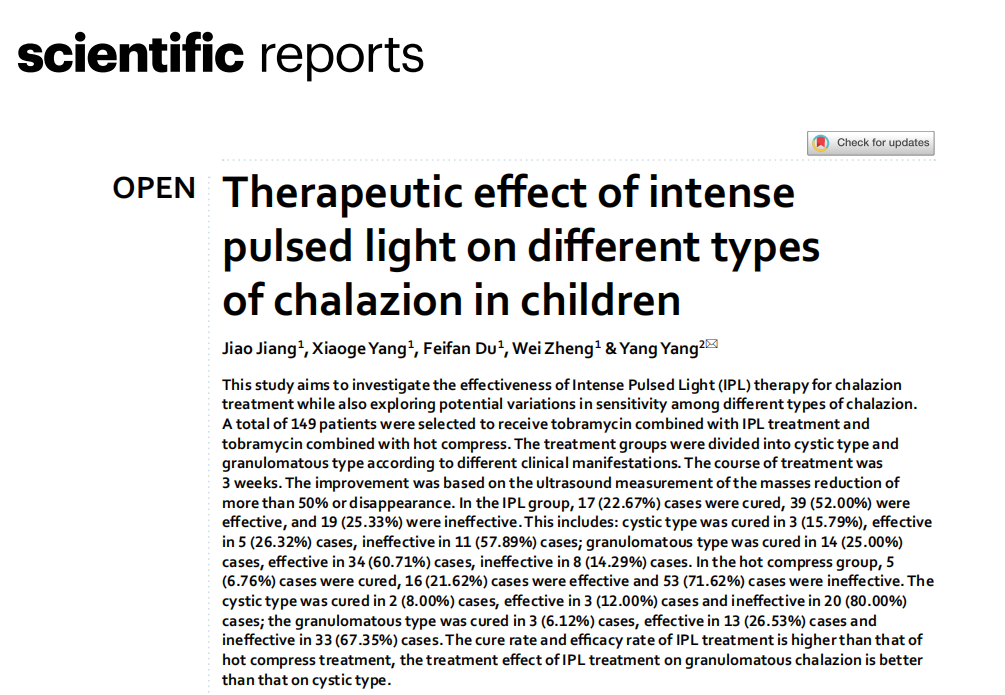
Chalazion (also known as meibomian gland cyst) is a common pediatric ocular disorder. Its pathogenesis is mainly associated with overactive secretion of meibomian glands in children. Retention of glandular secretions blocks the orifices of meibomian glands, resulting in chronic inflammatory granuloma of the meibomian glands. In addition, risk factors for chalazion include unhealthy dietary habits such as frequent consumption of fried and spicy food, blepharitis, MGD, vitamin A deficiency, and congenital structural abnormalities.
Although surgery and hormonal therapy achieve remarkable outcomes for pediatric chalazion, children generally have poor treatment compliance and high hormone sensitivity. Coupled with parental concerns over safety risks, conservative treatments including warm compresses, microwave therapy and topical antibiotic eye drops are preferred. Therefore, it is particularly important to select appropriate conservative therapies for children. In 2024, a clinical study conducted by Hebei Children’s Hospital in China and published in 《Scientific Reports》 demonstrated that MDC-Healthcare’s EYESIS intense pulsed light system yields superior efficacy compared with conventional warm compresses for pediatric chalazion, and can serve as an option for physical therapy of pediatric chalazion.
Product Advantage


To date,the EYESIS® Ophthalmic Intense Pulsed Light Treatment System has been installed in over a thousand hospitals and relevant institutions. It is one of the primary devices for many medical facilities to build new dry eye clinics. Extensive clinical applications have earned EYESIS® recognition among numerous ophthalmology practitioners.