PRODUCT INTRODUCTION

Dry eye is a chronic ocular surface disease caused by multiple factors. It is caused by abnormalities in the quality, quantity, and dynamics of tears, leading to instability of the tear film or imbalance of the ocular microenvironment. It is often accompanied by ocular inflammatory reactions, tissue damage, and neurological abnormalities, resulting in various discomfort symptoms and/or visual function disorders in the eyes. The core mechanism of dry eye is the high osmotic pressure of tears, which is also one of the characteristics of dry eye. The high osmotic pressure of tears can directly or indirectly cause inflammation and damage to the ocular surface. The tear film is mainly composed of lipid layer, aqueous layer, and mucin layer. Through tear dynamics (including blinking, etc.), tears are distributed on the ocular surface and finally expelled from the eye. Therefore, maintaining the stability of the tear film, preventing excessive evaporation of tears, and maintaining the fluidity of the ocular surface fluid are fundamental measures for dry eye treatment.
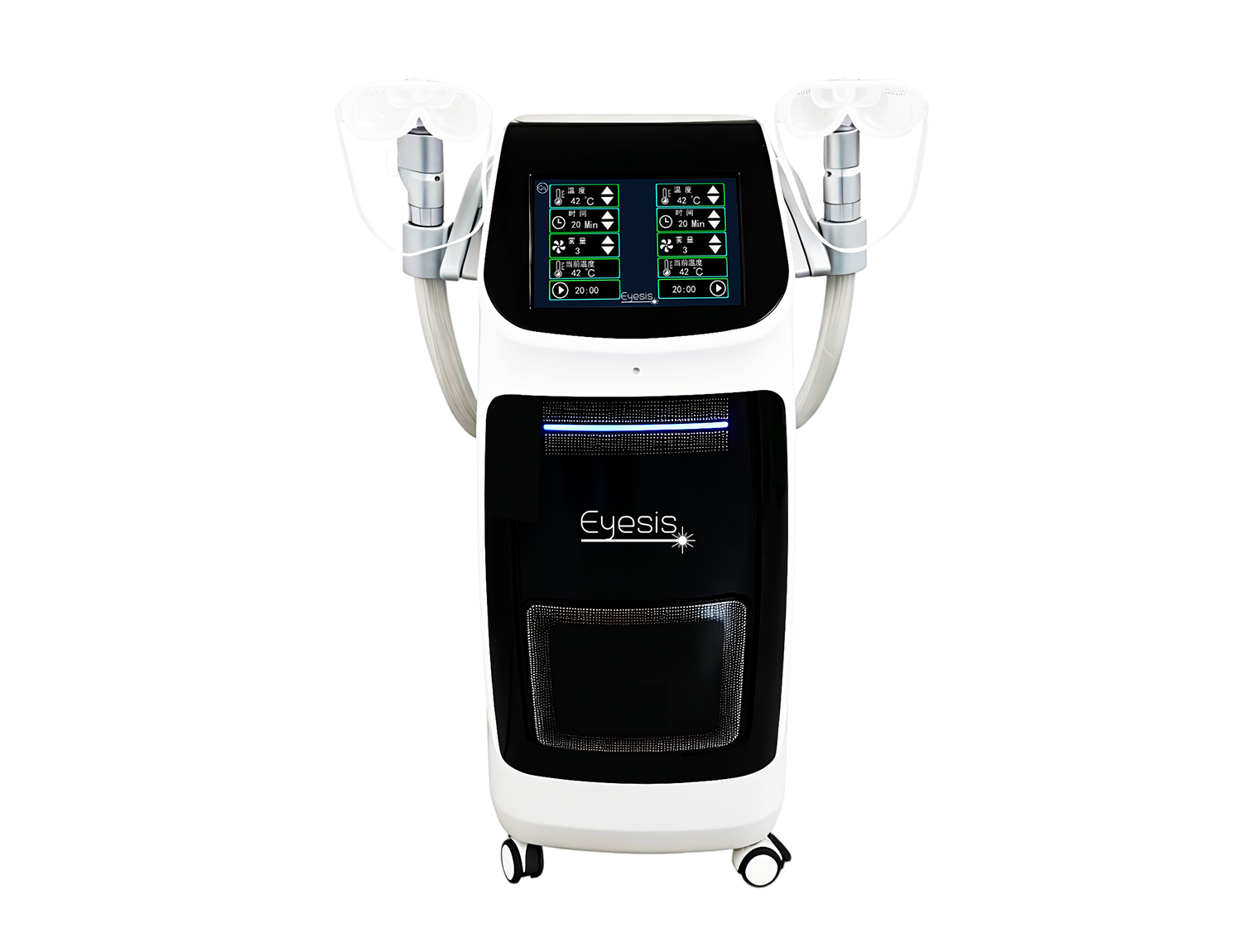
EYESIS Ophthalmic Ultrasonic Nebulizer with Dual-path System DEA Series Products Launched

Function Parameter
Scope of application: This product is used for the treatment of dry eye patients mainly with meibomian gland dysfunction.Dry eye is a chronic ocular surface disease caused by multiple factors. It is caused by abnormalities in the quality, quantity, and dynamics of tears, leading to instability of the tear film or imbalance of the ocular microenvironment. It is often accompanied by ocular inflammatory reactions, tissue damage, and neurological abnormalities, resulting in various discomfort symptoms and/or visual function disorders in the eyes. The core mechanism of dry eye is the high osmotic pressure of tears, which is also one of the characteristics of dry eye. The high osmotic pressure of tears can directly or indirectly cause inflammation and damage to the ocular surface. The tear film is mainly composed of lipid layer, aqueous layer, and mucin layer. Through tear dynamics (including blinking, etc.), tears are distributed on the ocular surface and finally expelled from the eye. Therefore, maintaining the stability of the tear film, preventing excessive evaporation of tears, and maintaining the fluidity of the ocular surface fluid are fundamental measures for dry eye treatment.
The ophthalmic ultrasonic nebulizer therapy device has the following functions: warm therapy,dual-path system and drug application.
Dual independent systems allow two users to operate simultaneously.
The temperature range for warm nebulization 40 ℃ to 44 ℃, with an error of ± 1 ℃.
When the temperature of the spray port of the therapeutic apparatus exceeds 45 ℃ or is lower than 6 ℃, the therapeutic apparatus will have safety protection and prompt sound.
The working time can be set in four time levels: 15 minutes, 20 minutes, 25 minutes, and 30 minutes, with an error of ± 30s.
Anti dry burning protection function, when there is no liquid in the steaming pot, it cannot be heated; At the same time, when the nebulization box is short of water, the therapeutic device has an automatic shutdown function.
Mechanism

Mechanism of warm therapy:
The function of dilating blood vessels, improving local blood circulation, promoting local metabolism, and facilitating the absorption of inflammation. Hot compress restores the fluidity of the increased viscosity of the eyelid ester, facilitating its excretion and improving or restoring the function of the meibomian gland. The conventional hot compress method uses local heating to restore the fluidity of the increased viscosity of the eyelid ester, which is beneficial for the discharge to improve or restore the function of the meibomian gland and treat meibomian gland dysfunction (MGD).
Mechanism of drug delivery:
EYESIS Ophthalmic Ultrasonic Nebulizer can be used with medicine and more quickly solve the clinical symptoms and signs of dry eye patients.
Clinical Efficacy
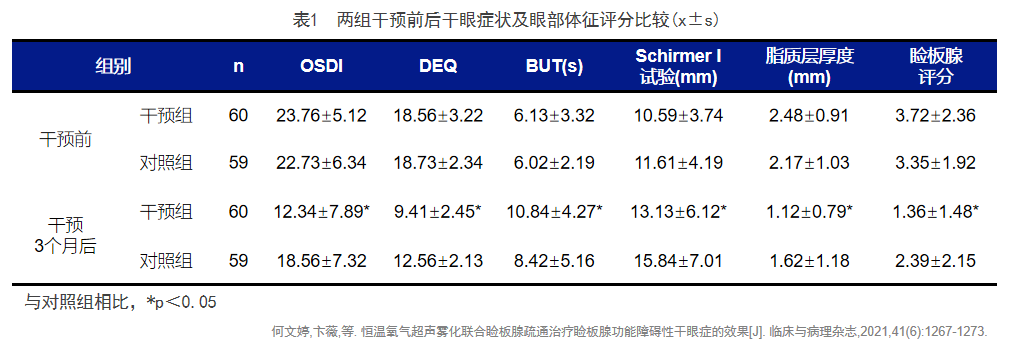
Warm therapy effectively maintains a constant temperature of 42.5 ℃, providing stable and moisturizing coverage of the eye surface. The combination of meibomian gland unblocking therapy and local constant temperature oxygen ultrasonic nebulization therapy has significant therapeutic effects on MGD related dry eye syndrome, which is beneficial for relieving dry eye symptoms, improving eye comfort, promoting tear film recovery, and enhancing patients' quality of life.
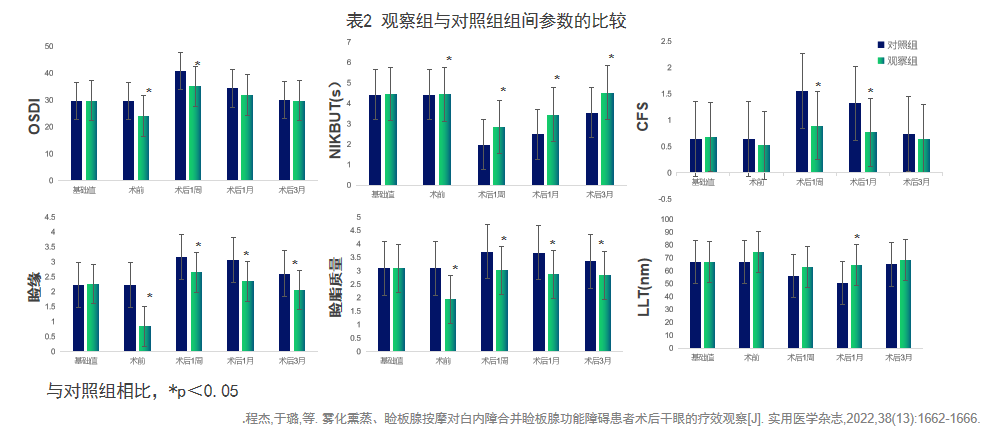
Nebulization combined with meibomian gland massage is effective for dry eye patients during cataract surgery. After comparing various parameters between the two groups, the observation group showed significantly higher NIKBUT, meibomian margin, and meibomian gland secretion quality scores during the cataract perioperative period compared to the control group. The postoperative meibomian congestion and meibomian gland opening obstruction in the observation group were significantly improved compared to the control group during the same period. Therefore, preoperative nebulization of MGD combined with meibomian gland massage therapy is effective in reducing dry eye caused by cataract surgery.